Damn, this graph fascinates me. I need to tinker with the setup. 
Another easy run. Consistent numbers. Did not watch HR and pace. Just try to hold VE around 100 and under VE 106. BR seems also constant. But overall BR higher then during my treshold test. Maybe this is due to the extra fatigue of my ride today.
Currently doing one hour bike around VT1 and one easy run. If BR is a metabolic response of stress and maybe fueling during day can also have an impact. But ok, was an easy good run. But the easier is much easier then what I would have run in the past.
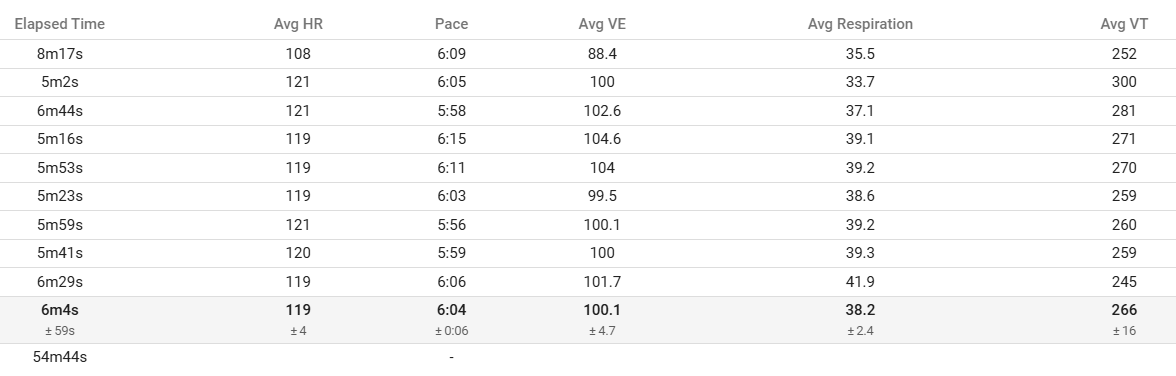
Don’t pay attention to what BR/VT was in the test.
From the test, all you need is the threshold VE values.
VE correlates with the metabolic cost of the work (something like lactate).
BR — correlates with your RPE (the central nervous system, which is responsible for fatigue).
In your example this is obvious — the metabolic cost is the same in interval 2 and interval 7 (VE 100), but your fatigue started to accumulate, and this is shown by the rise in BR from 33.7 to 41.9. Your RPE in the second interval was probably different from your RPE in the 7th interval (although considering this is an easy pace it’s not that significant, but you should feel it).
But that’s only 60 minutes — now imagine all the same thing but for 5 hours. You’d probably see a drop in pace even at such low intensity, while VE stays at 100.
4 Likes
Same graph on the bike computer too. Though I don’t use it there — numbers suit me better.
2 Likes
I finally did get support and I have the device now. And the Reddit sub is back open! And Dynamic Thresholds are coming!!
Easy bike ride yesterday. VE dropped after 20minutes (tidal volume dropping). But not drawing any conclusions because I already did a more intensive ride around midday.

But I do most cycling nowadays indoors so next week I will do a new treshold test and I think this time I will not use the straps of my bib shorts. Because not all of my bibs are the same so maybe this can cause some different readings for the breathing sensor when wearing it of my the straps on the back. So, a new test. And then when riding indoors. Never use the straps of my bibs to make it more uniform for indoor rides.
What an interesting case. I haven’t observed anything like this myself: VE drops, power rises. At the same time BR rises (and logically VT falls), which makes it all the more interesting to figure out. I have a hypothesis, but first I wanted to ask some questions:
- Was there a warm-up before these intervals? How long and at what power?
- Were there pauses between intervals, and if so, what kind?
- What was the cadence during the intervals?
No, no warm-up. And what you see was the full ride of 70min, just made 10min laps to have an overview of what happened, so no pauses…I just rode at a more or less easy pace, power was mostly the same, no spikes or accelerations. Cadence added, little lower last part but not too much?

Then everything falls into place. The warm-up. It’s all about that. Cold start.
It takes 15-25 minutes for metabolism to stabilize. That’s why a warm-up matters for testing too.
For example, when I do lactate testing, I take lactate at rest, before the warm-up starts. For me it might be, say, 1.5-1.8 (sometimes above 2) mmol. But after the warm-up it drops to 1.3 (sometimes to 1 mmol). And overall, I won’t do a test if lactate is above 1.5 mmol after the warm-up. Sometimes I need up to 30 minutes of easy load to clear available carbs, though usually 15-20 is enough.
What ventilation has to do with it and how I’d interpret these readings.
While you have a lot of available carbs (blood sugar) at rest — you predominantly use carbs and produce more carbon dioxide (up to 30%), and with the switch to fat metabolism the volume of carbon dioxide decreases - VE drops. But the rise in breathing rate can reflect a CNS stimulus (fatigue) despite stable intensity (even with improving economy), because these are two different signals.
Summary — the warm-up matters, you can’t use the first 15-25 minutes as a baseline reference.
PS
Funny how individual it all is. My VE never goes below 40, and BR never above 22–23, at easy intensity. Whereas BR 38–40 is already practically threshold breathing rate for me.
1 Like
That’s what I see also with SmO2 data
1 Like
Do you use Moxy Monitor? I thought about it, but decided it would be hard for me to use for ski races and training.
I have an old Humon Hex, works great.
1 Like
i see the same thing but usually when carrying additional stress from previous workout(s), and sometimes up to 45 minutes.
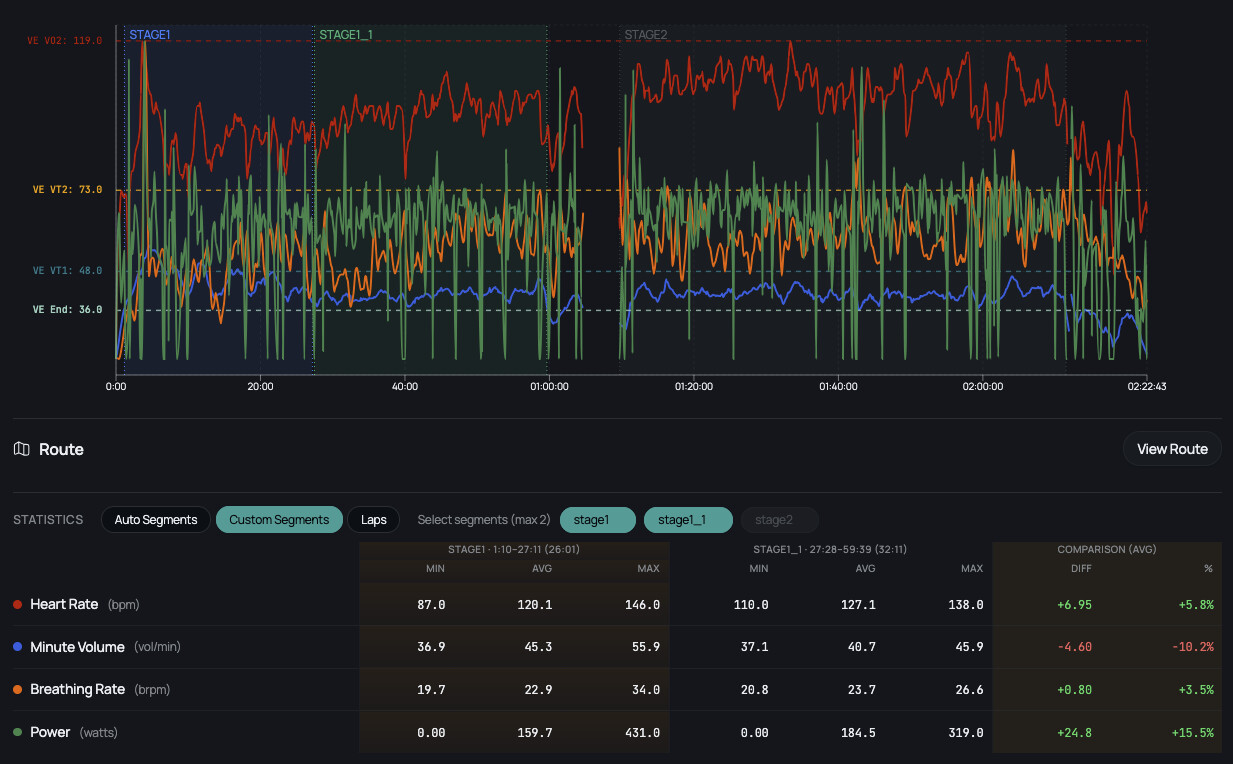
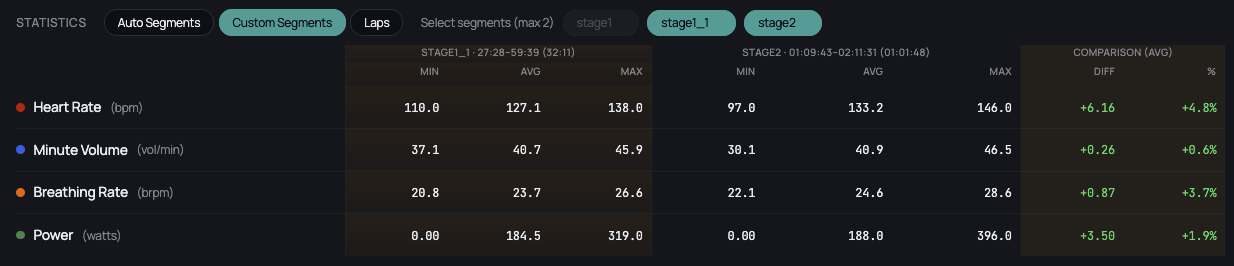
example: the target for this ride was “2 hours steady endurance; VE 41”. the warmup lap was only 11 minutes but it took an additional ~15 minutes to stabilize. once VE is stable, power goes up.
3 Likes
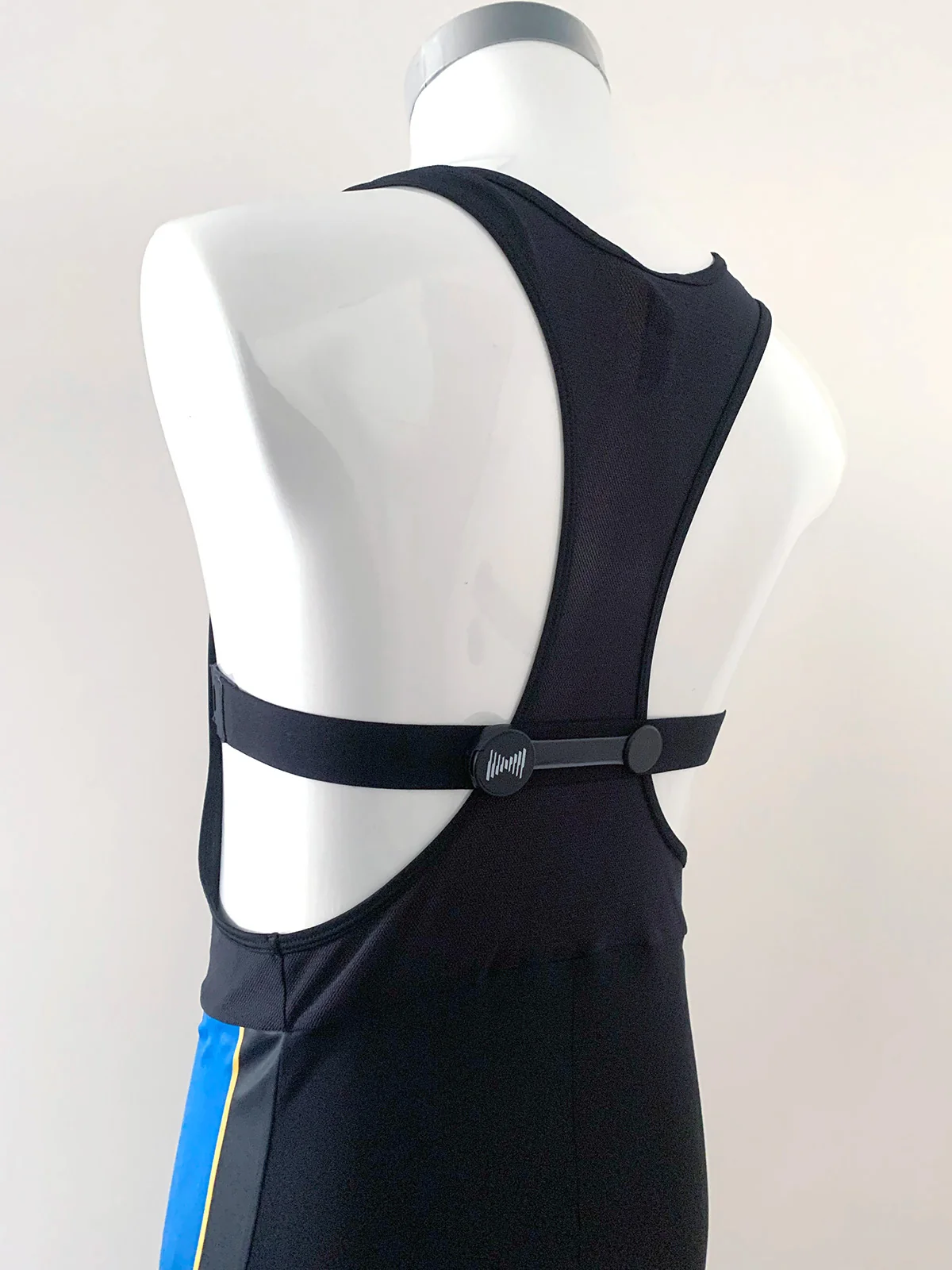
are you putting the BR sensor under or over the rear bib strap? i can confirm wearing it under the rear strap will definitely cause issues. even offsetting the battery compartment to be fully away from the strap still introduced data inconsistencies. switching to wearing it over the rear strap felt weird and took some getting used to but the data has been much cleaner and reliable. not using the bib straps at all is out of the question for me
2 Likes
Great for pinpointing the exact warm-up moment where SmO2 stops rising and stabilizes, serving as a proxy for peripheral muscle metabolic stability. It is also interesting to track this alongside Core Temp values stabilization to confirm central metabolic stability.
1 Like
Very curious. What CoreBody temperature correlates with the end of the warm-up? Though it’s probably all individual.
Is this sensor attached to the leg? I wonder how it would reflect the load in skiing, when the upper body is actively involved. When my legs are empty, I actively push with my arms and core.
For skiing I don’t have experience. What are you findings with your’s CoreBody temp with skiing warmups?
By the way, I got inspired by the idea of @Stino77 and made myself an overlay for Windows, since I use MyWhoosh, plus I added CoreBody data and set up workout sync straight to Intervals.
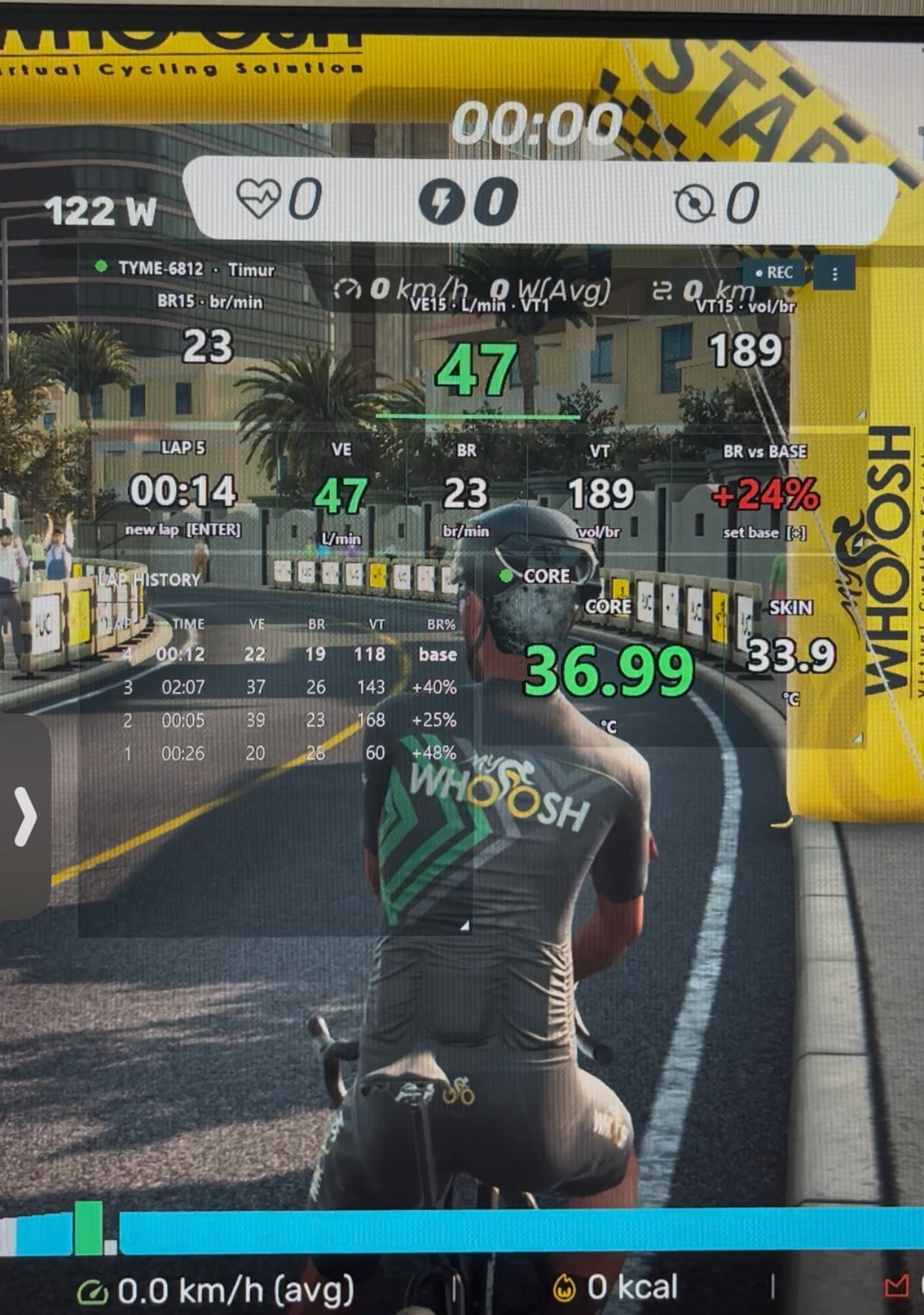
2 Likes
In winter the cold has a noticeable effect — here I’m Mr. Obvious — so if my temperature reaches at least 37.7–37.9, that means I’ve warmed up well. But oddly enough, the same holds in warm weather too, though in heat it takes far less time/intensity.
Here’s an example from a ski marathon, even though the temperature at the start was -28.
I hit 37.7 at minute 2 (since I’d already warmed up before that).
Max Core temp reached 38.3 at minute 27, but then it started dropping and by the finish came back to 37.7. Skin temperature was 32.5–25.8.
Whereas the watch on my arm (over the jacket) showed +13.5 down to -6.
HSI — always in zone 1.

1 Like
Nice! Hope to do workouts like that from next week on…Have an half marathon coming up this weekend so need to back down the cycling today and tomorrow 