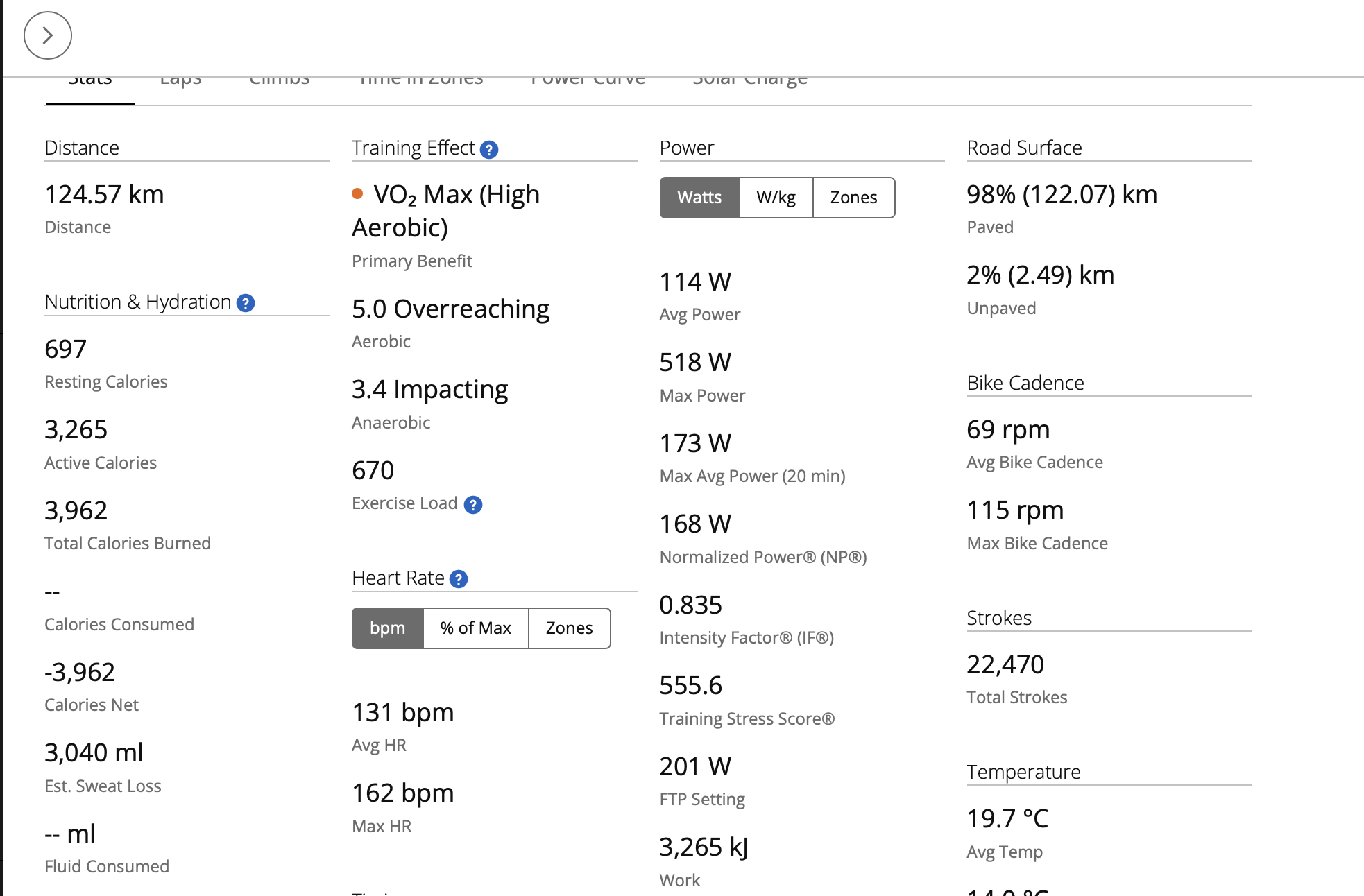
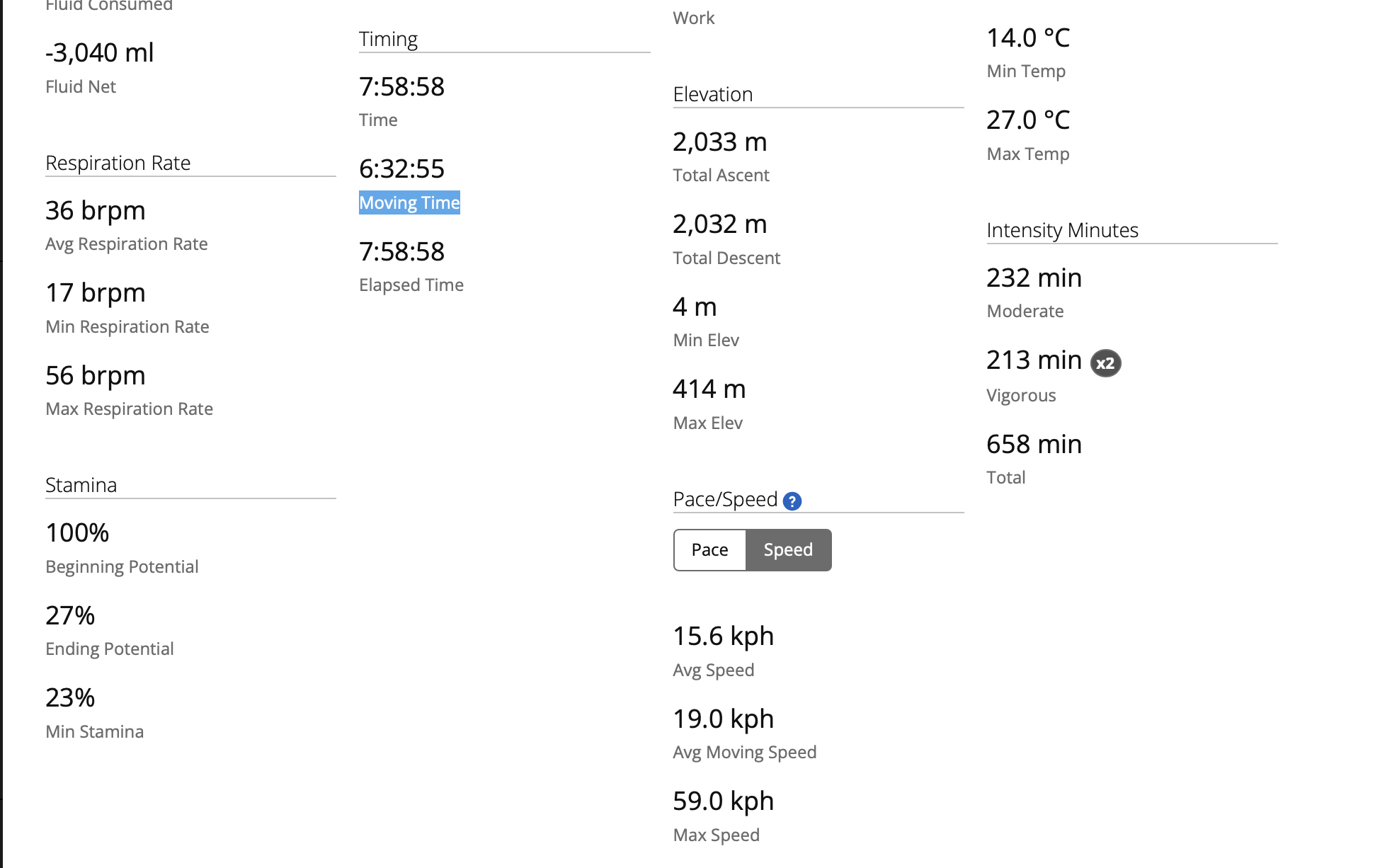
I have checked and both the Garmin activity and the Intervals activity have the same FTP value
I am concerned because I that I knew my TSB limits and now I realise I could have much higher TSB that expected. Maybe in my head but I feel over tired for the numbers
Did it match for you in the past? I have not actually compared them in my data but my expectation is that all apps/services use their one individual load formulas or constants in them, and basically none publish them (at least this was the case for all I ever used). So I wouldn’t even expect them to match between sites in any case…
Garmin’s TSS should very closely match Intervals’ Power load, less then 1% difference. If not, something is definitely off.
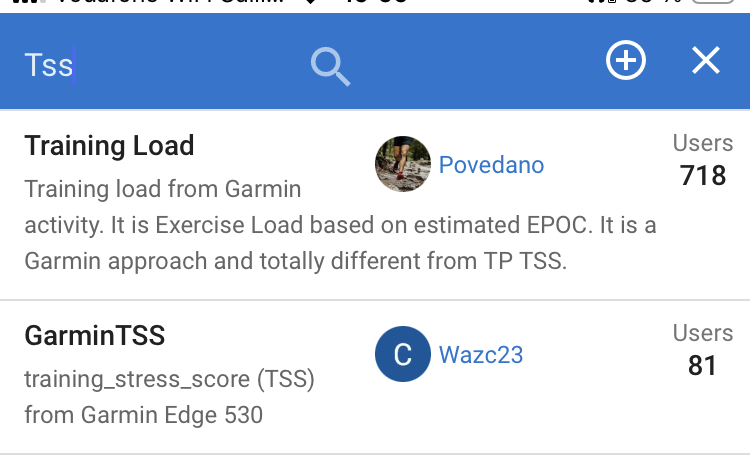
Garmin’s Load is something different and HR load from Intervals will also be different.
Auto-pause, moving time, …
Show some screenshots with the relevant data.
Load/TSS is (Intensity^2 * moving time). Your moving time is different, and your intensity is slightly different (because NP in intervals is 175w and in garmin 168w).
I looked at two from my Garmin activities, and NP in both platforms are basically the same (+/-1w). So the difference arise, because the NP is different. I wonder why that‘s the case. The only reason I can think of are connection outages, where Garmin uses Accumulated Power, but Intervals uses the Raw Power Stream. Maybe that‘s why the moving time is also different.
I think the criteria intervals uses for moving time versus Garmin is different. Intervals has the option to include velocity or not. Garmin has auto pause (which I switch off) .
I think the difference is minor but on a 200 - 600 km audax (10 - 40 hours ) it gets significant.
I think the real answer is to have a do_not_recalc_uploaded_values Flag. ok the difference may only be a couple of points, but it is calmative. Further, you can argue whether of not ± 3 TSS is interesting/feel-able/relavent or not, constancy across systems / platforms is desirable.